Donate

Search Website

Khums Calculation

Surplus

Amount you own, in US Dollars ?
Calculated on your khums due date.
Equivalent amount, in US Dollars, of foreign currency you own ?
Calculated on your khums due date.
Debts owed to you that you expect to be repaid ?
Do not include this if it was accounted for in previous financial years.
In-kind possessions not used for sustenance ?
This includes buildings, farms, factories, commodities, work tools, and any household items or possessions not used for sustenance. Calculate these at present value if they were acquired with surplus income on which a year has not elapsed, and at cost price if they were acquired with surplus income on which a year has elapsed. If acquired with a combination of income, then calculate these at present value in relation to what was acquired with surplus income on which a year has not elapsed, and at cost price in relation to what was acquired with surplus income on which a year has elapsed.
Financial dues ?
This includes the due of key premium (surqufliah), the due of utilizing agricultural lands owned by the state, and the due of revival of lands which are fenced and prepared for residency. Calculate these at present value if they were acquired with surplus income on which a year has not elapsed, and at cost price if they were acquired with surplus income on which a year has elapsed. If acquired with a combination of income, then calculate these at present value in relation to what was acquired with surplus income on which a year has not elapsed, and at cost price in relation to what was acquired with surplus income on which a year has elapsed.
Amount you utilized prior to your khums due date ?
This is cash which was subject to khums prior to your khums due date, and which you have already spent (e.g. If this is the first year you pay khums, despite having needed to pay khums in previous years)
Fungible items you utilized prior to your khums due date ?
These are fungible items which were subject to khums prior to your khums due date, and which you have already utilized. Calculate these according to present value. Fungible items are those which are freely exchangeable or replaceable, in whole or in part, for another item of a similar nature, such as machinery or factory-produced fabrics.
Non-fungible items you utilized prior to your khums due date ?
These are non-fungible items which were subject to khums prior to your khums due date, and which you have already utilized. Calculate these according to their value at point of utilization. Non–fungible items are unique items, such as unique paintings, monuments, and unique jewelry.
Amount you already paid with intention of Sahm Al-Imam ?
Amount you paid with the intention of Sahm Al-Imam before your khums due date.
Amount you already paid with intention of Sahm Al-Sada ?
Amount you paid with the intention of Sahm Al-Sada before your khums due date.

Deductions

Commercial debts ?
Include all commercial debts you still owe others.
Remaining sustenance debts taken in the financial year ?
Includes debts borrowed in the financial year for accommodation (mortgage), a car, etc. Please refer to more detailed rulings for accounting for mortgages.
Remaining sustenance debts taken in previous financial years ?
Includes debts borrowed in the previous financial year for accommodation (mortgage), a car, etc. The asset (house, car, etc.) must still be in your possession. Calculate only the amount that you have not deducted from your profits in previous financial years. Please refer to more detailed rulings for accounting for mortgages.
Amount you own which has already been subjected to khums ?
Calculated on your khums due date. Includes the remainder of funds that were subject to khums in previous years and on which you have already paid khums.
Notes
  1. 1) Your khums due date is the first day you started your job or business. If you are retired or not in employment, then you can agree a khums due date with a representative of the marja'a, or calculate separate khums years for each profit that you make, from the date you made that profit.
  2. 2) The khums of commercial commodities and real estate(s) which are intended for trading, should be paid in accordance with their current market value, even if they were bought with profits which a year has elapsed on, unless the price at which they were bought is higher than the current value.
  3. 3) If the calculations show that the amount of khums due is negative as a result of sustenance debts, then the amount of the sustenance debt equivalent to the amount of khums due for the rest of the item is calculated and excluded.
  4. 4) If sustenance debts are fully repaid in the financial year, this amount is excluded from the profits.
  5. 5) Possessions which are not subject to khums are:
    1. a. Possessions owned through inheritance:
    2. i. Cash
    3. ii. Real Estate
    4. iii. Objects that are transferrable and the like
    5. b. Possessions owned by the wife from the dowry (mahr):
    6. i. Cash
    7. ii. Gold Jewellery
    8. iii. Home furniture and the like
    9. c. Possessions used for personal or family provisions from the profits of that financial year:
    10. i. Home residence
    11. ii. Home furniture and other household items
    12. iii. Gardens used for leisure and to personally benefit from their fruit
    13. iv. Personal or family cars
    14. v. Animals that are benefited from by the household such as a cow for milk or a chicken for eggs
    15. d. Debts owed by others that you do not expect to be repaid.
    16. e. Items purchased through debt that has not yet been repaid.

Total amount subject to Khums $0

Khums Due $0

Sahm al Imam to be paid $0

Sahm al Sada to be paid $0

Email me Khums report

How Education Can Break the Cycle of Poverty

15 September 2026

As children prepare to return to school, classrooms across the world will once again fill with excitement, ambition and hope.

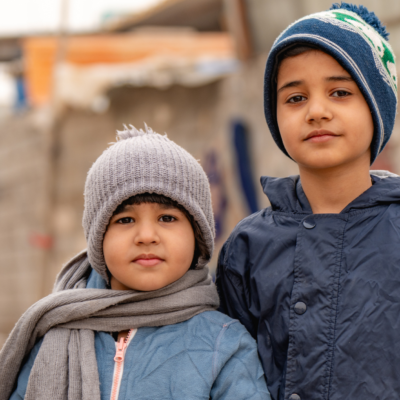
For many children, the start of a new school year means new opportunities to learn, grow and dream bigger. But for thousands of orphaned children living in poverty, going back to school is not guaranteed.

Poverty continues to be one of the greatest barriers to education. Without the financial means to afford essential school supplies, uniforms, books or transport, many children are forced to miss out on opportunities that could shape the rest of their lives.

At Al-Ayn, we believe that every orphaned child deserves access to education, regardless of their circumstances. This Back to School season, your support can help remove the barriers that stand between a child and their future.
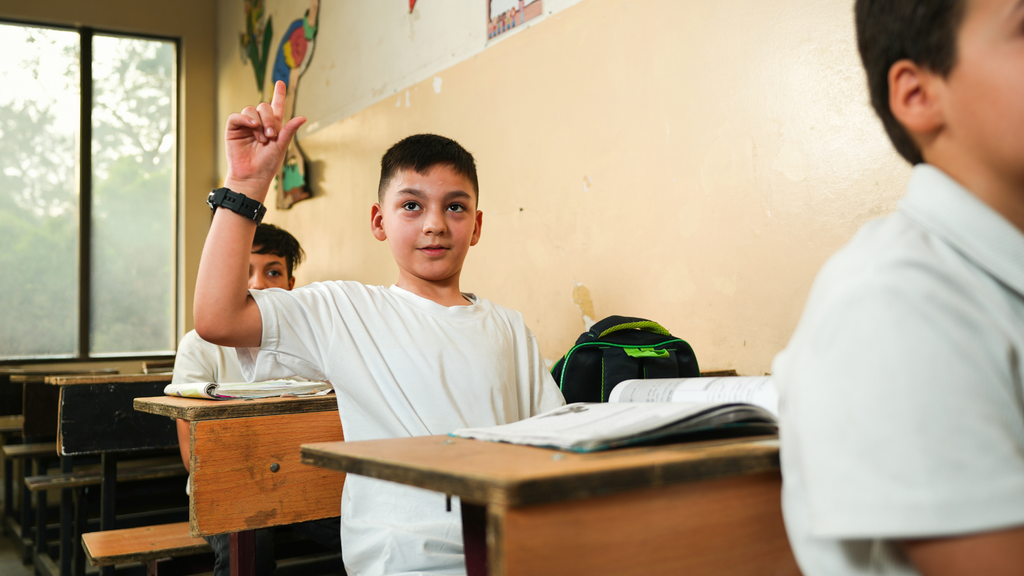
Why Education Is One of the Most Powerful Tools Against Poverty

Education is more than attending lessons or passing exams.

It gives children the knowledge, skills and confidence to create a different future for themselves. It opens doors to employment, independence and opportunities that can lift entire families and communities out of poverty.

For orphaned children, education is especially important. After experiencing the loss of a parent, many children face financial hardship that makes continuing their education incredibly difficult. Without support, poverty can interrupt their learning and limit their potential.

When children remain in school, they gain the chance to pursue careers, contribute to their communities and build lives defined by opportunity rather than hardship.

The Reality: Poverty Creates Barriers to Education

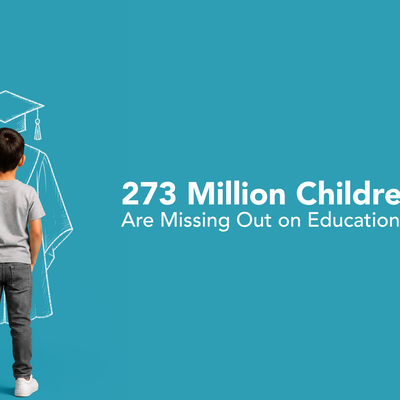
Across the world, millions of children remain out of school because poverty makes education inaccessible.

For orphaned children, these barriers can include:

  • The inability to afford school uniforms and learning materials.
  • Limited access to books, stationery and educational resources.
  • Financial pressures that make education difficult to continue.
  • The emotional impact of loss, making additional support essential.

These are not barriers of ability or ambition. They are barriers created by circumstance.

Every child has dreams. Poverty should never be the reason those dreams are left behind.
Every Child Has Potential – They Just Need Opportunity

Some children dream of becoming doctors. Others want to become teachers, engineers, pharmacists or community leaders.

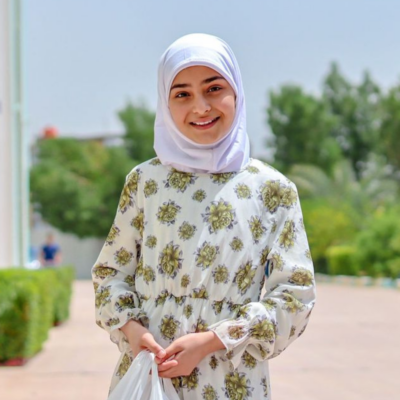
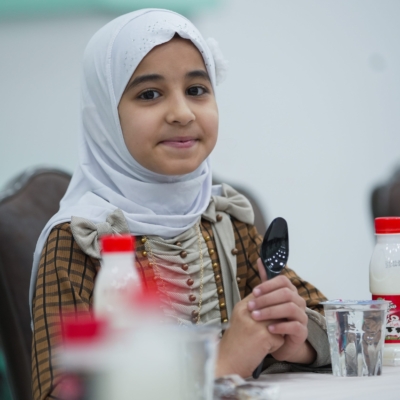
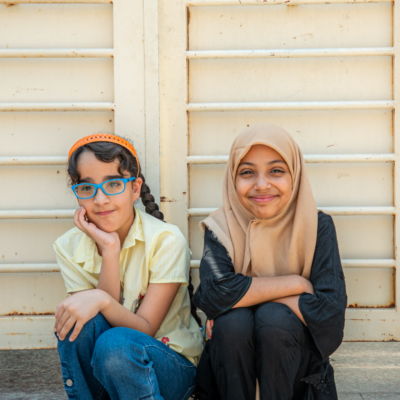
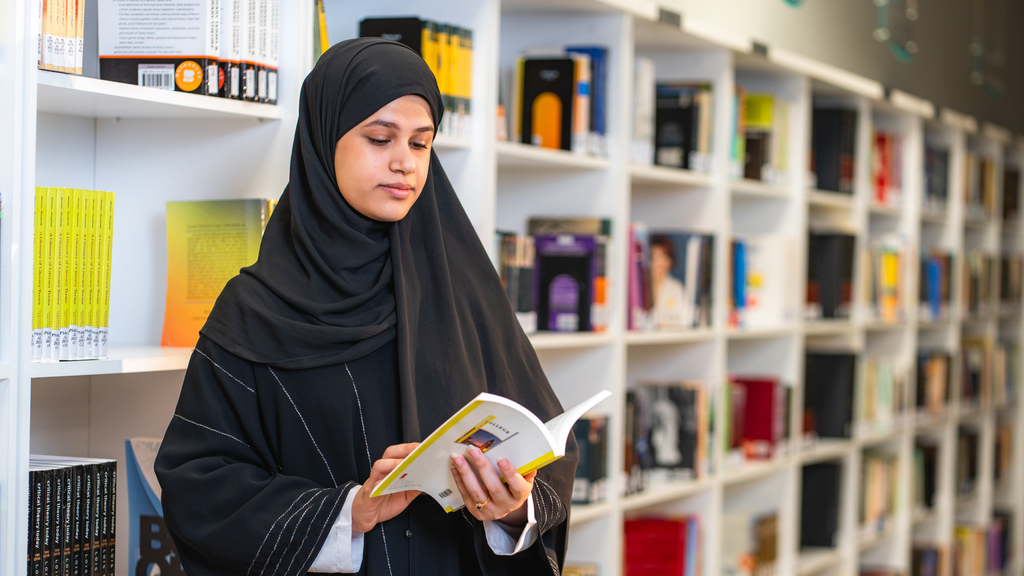
Hanaa is one of those children.

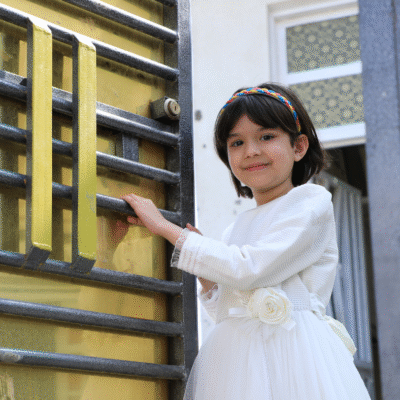
After losing her father, Hanaa’s future became uncertain. Through Al-Ayn’s support, she was able to continue her education and pursue her ambitions.

Today, she is studying at the College of Pharmacy in Iraq, moving closer to achieving her dream of becoming a pharmacist.

Hanaa’s journey is a reminder that orphaned children do not lack talent, potential or determination. They need the opportunity to continue learning.

Her story reflects the potential of thousands of children supported by Al-Ayn every year.

How Al-Ayn Supports Orphaned Children Through Education

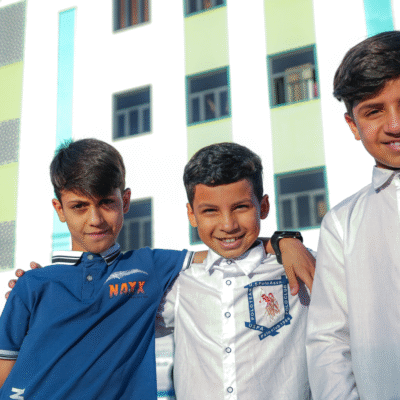
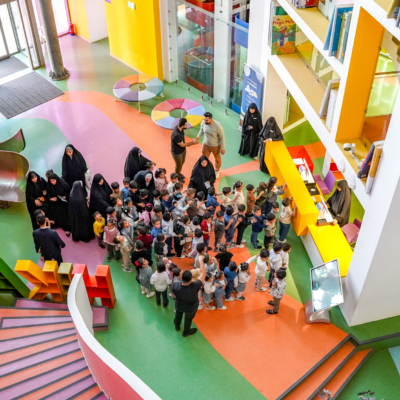
Al-Ayn provides comprehensive care for orphaned children, helping remove financial barriers that prevent them from living with dignity. In Iraq, orphaned children supported by Al-Ayn receive educational support, including free school kits at the start of the academic year, access to additional support within our Luminous Stars Centers, and resources and supplies – all for free.

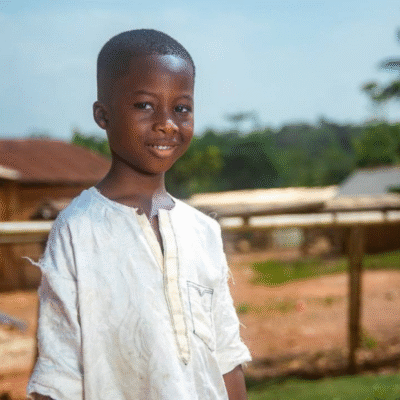
In Ghana, our field teams assess the needs of orphaned children registered with Al-Ayn to ensure their needs are met in full.

Support through the Education Fund helps children continue their educational journey by providing access to the resources they need to learn and thrive.

Education is not simply about one school year. It is about creating long-term opportunities for children to reach university, develop careers and build independent futures.

By investing in education today, we invest in generations to come.

Why Your Back to School Donation Matters

This Back to School season, your donation can help ensure that poverty does not stand between an orphaned child and their education.

When we remove barriers to education, we give children the chance to write a different story for their future.

Donate today and help break the cycle of poverty through education.

Related