 Donate
Donate
Donate
Surplus
Deductions
Total amount subject to Khums $0
Khums Due $0
Sahm al Imam to be paid $0
Sahm al Sada to be paid $0
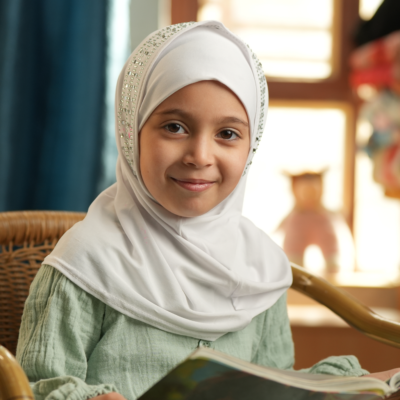
Within Islam, caring for orphaned children is not viewed simply as an act of kindness – it is a deeply emphasized social and moral responsibility.
Throughout the Qur’an and Islamic teachings, the protection and support of vulnerable children is repeatedly highlighted, reminding believers of the importance of safeguarding those who have experienced loss and hardship.
An orphaned child is not only someone grieving the loss of a parent. In many parts of the world today, that loss can also bring financial hardship, disrupted education, emotional suffering and reduced access to essential support.
This is why caring for orphaned children continues to hold such importance in Islam.
Islam places great emphasis on how society treats its most vulnerable members, particularly orphaned children.
The Qur’an repeatedly warns against neglecting or mistreating orphaned children, while encouraging believers to protect, support and care for them with sincerity and compassion.
For many Muslims, supporting orphaned children is therefore not seen as optional charity alone, but as part of a wider responsibility towards humanity and social justice.
Caring for an orphaned child means helping protect their wellbeing, preserving their dignity, supporting their upbringing and helping ensure they are not left alone to face hardship without support.
The care of orphaned children holds such significance in Islam that numerous narrations speak about its immense spiritual value.
Prophet Muhammad (SAWW) said:
“Indeed, in Paradise there is a home called the House of Joy, and none shall enter it except those who brought joy to orphans.” (Bihar Al Anwar)
This powerful narration reflects the immense value Islam places on protecting the emotional and physical wellbeing of orphaned children.
Supporting an orphaned child is not limited to providing financial assistance alone. It also includes helping provide stability, care, protection and reassurance during some of the most difficult moments in a child’s life.
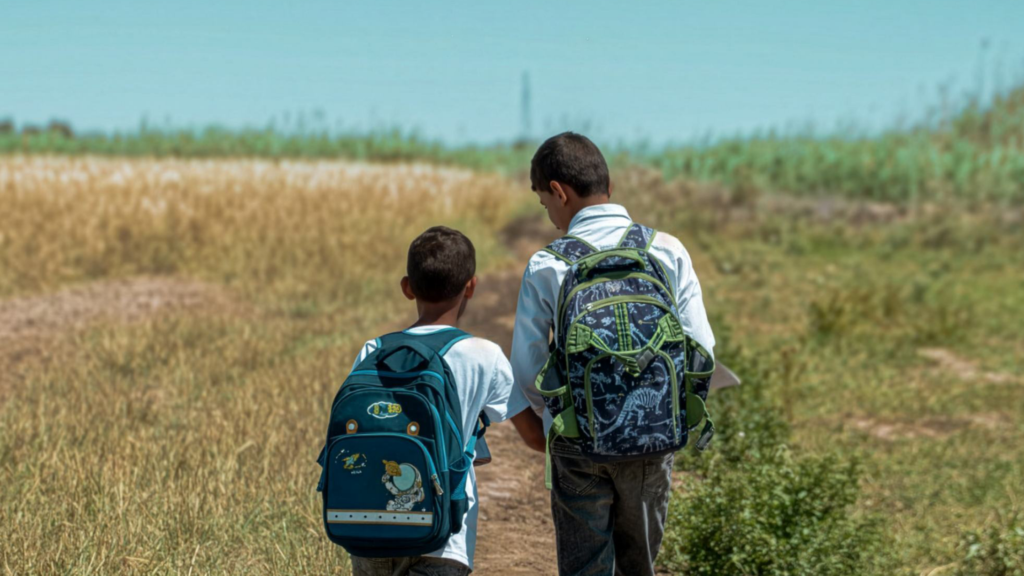
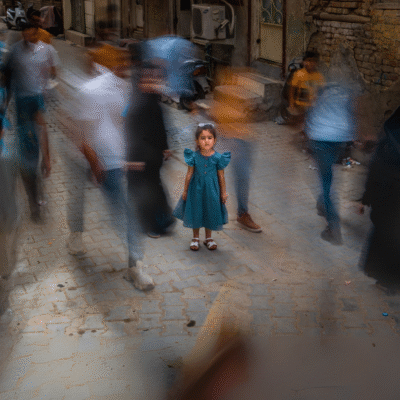
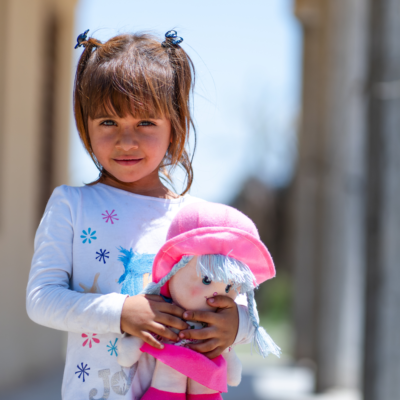
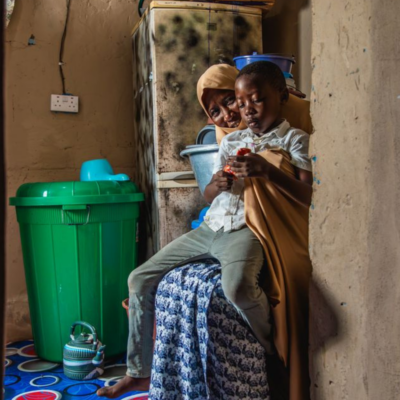
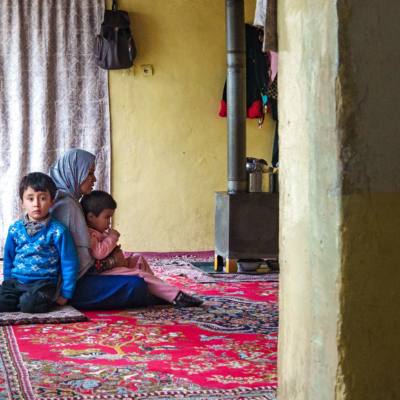
Across many parts of the world, countless orphaned children continue to face serious hardship.
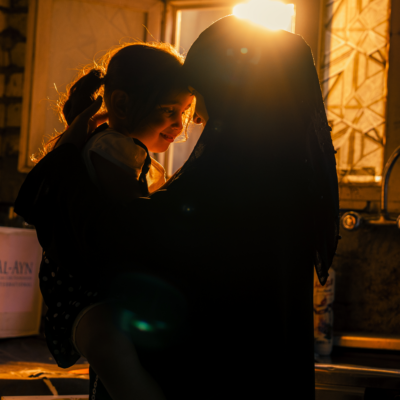
In communities affected by poverty, conflict and instability, widowed mothers are often left carrying the responsibility of supporting entire households alone while struggling to meet rising living costs.
For many children, this can affect:
In remote and underserved areas, many vulnerable families can also remain beyond the reach of regular support systems.
For orphaned children, the absence of long-term support can shape every stage of life that follows.
Islam encourages not only immediate acts of charity, but sustained care and responsibility towards vulnerable people.
For orphaned children, support is often needed far beyond a single moment of relief.
Long-term care can help provide greater stability throughout childhood by helping families access essentials such as healthcare, education and ongoing financial support.
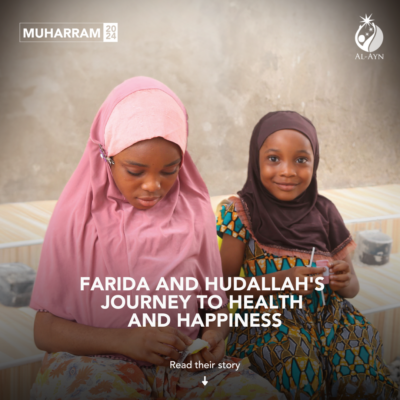
This is why many Muslims choose to support orphan sponsorship programs, particularly during sacred months such as Muharram, where themes of sacrifice, responsibility and standing beside those facing hardship are remembered.
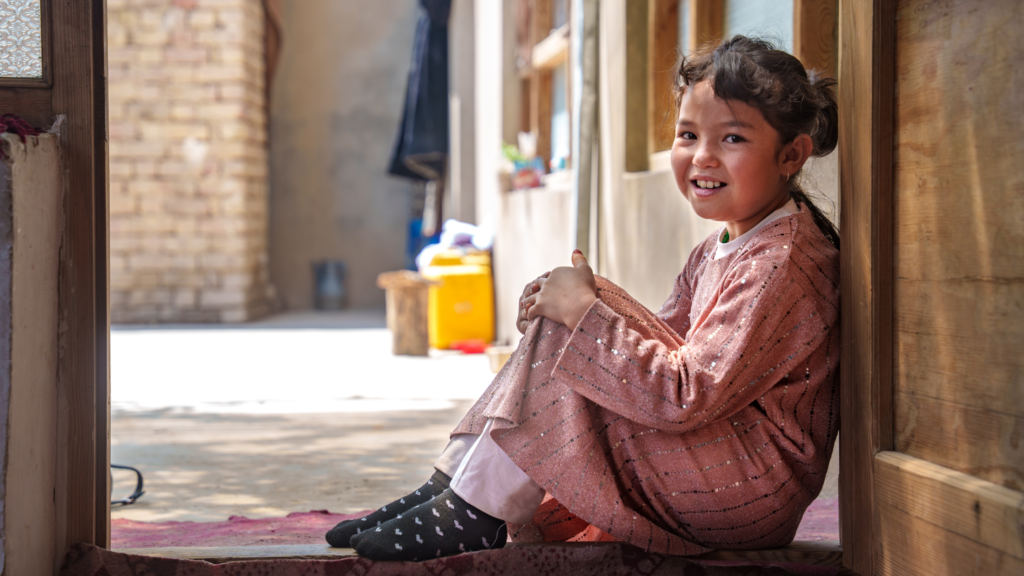
For many, Muharram is a time of reflection on sacrifice, justice and responsibility towards others. The tragedy of Karbala continues to inspire people not only through remembrance, but through action -particularly in supporting vulnerable members of society.
Caring for orphaned children remains one of the many ways people seek to embody these values today.
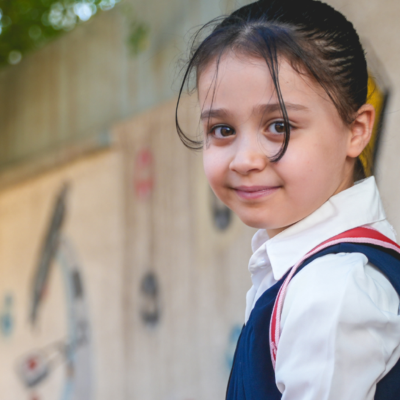
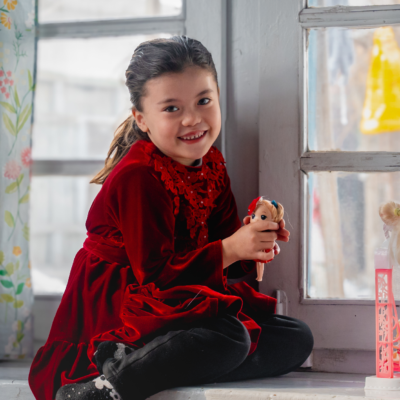
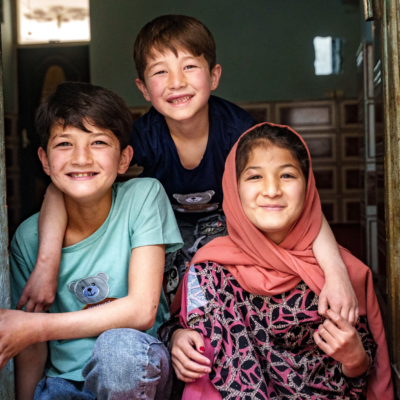
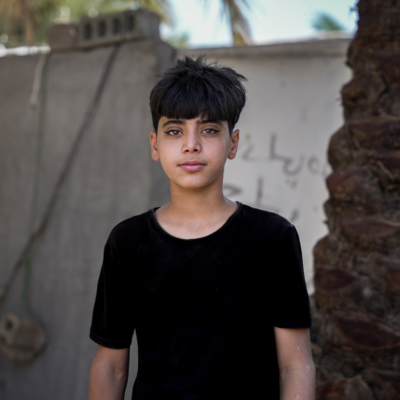
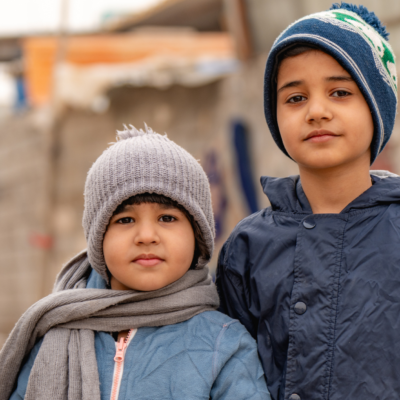
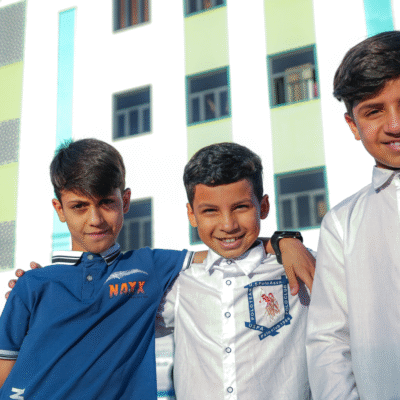
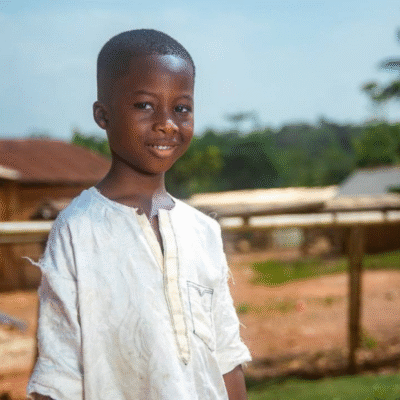
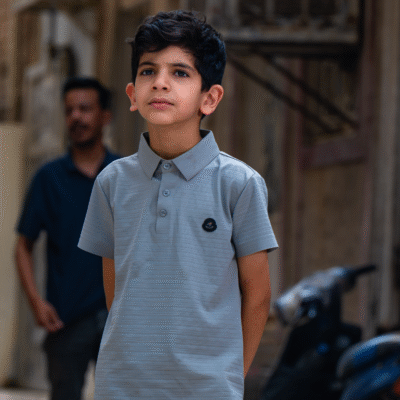
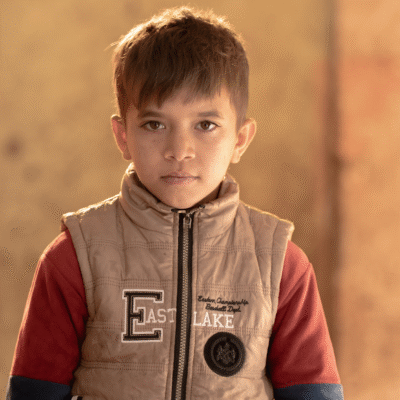
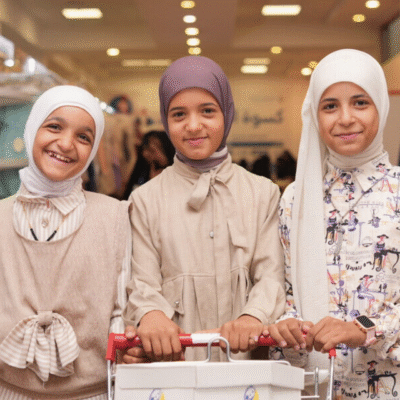
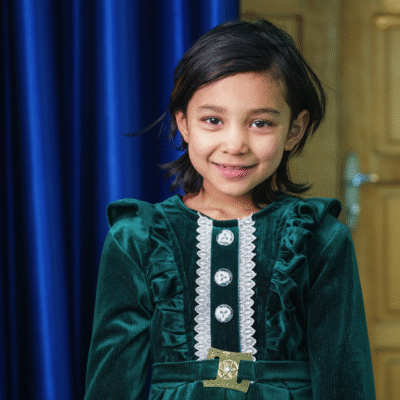
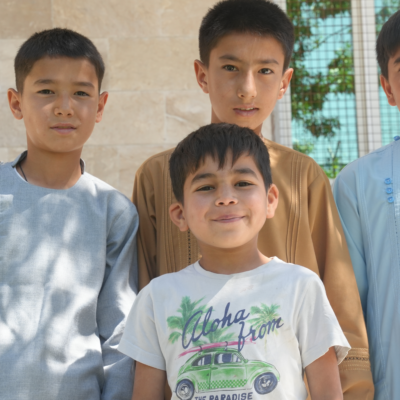
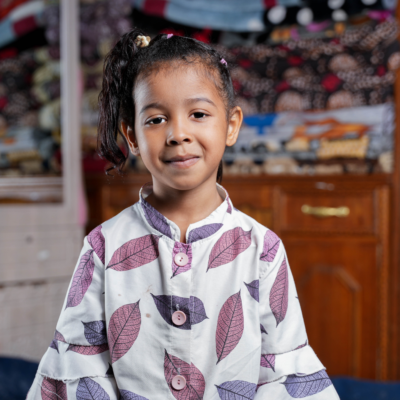
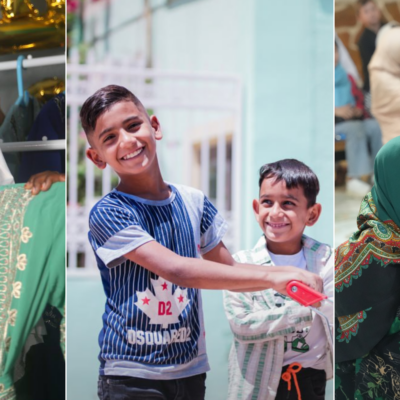
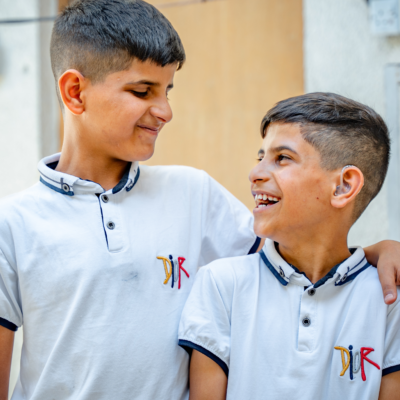
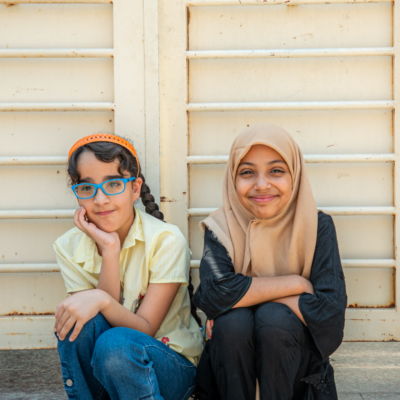
At Al-Ayn Social Care Foundation USA, more than 114,000 orphaned children across Iraq, Afghanistan and Ghana receive support through long-term care programs designed to help respond to both immediate and ongoing needs.
Caring for orphaned children is not limited to a single season, campaign or moment of generosity.
It is an ongoing responsibility rooted in protection, mercy and standing beside vulnerable children through hardship and loss.