Donate

Search Website

Khums Calculation

Surplus

Amount you own, in US Dollars ?
Calculated on your khums due date.
Equivalent amount, in US Dollars, of foreign currency you own ?
Calculated on your khums due date.
Debts owed to you that you expect to be repaid ?
Do not include this if it was accounted for in previous financial years.
In-kind possessions not used for sustenance ?
This includes buildings, farms, factories, commodities, work tools, and any household items or possessions not used for sustenance. Calculate these at present value if they were acquired with surplus income on which a year has not elapsed, and at cost price if they were acquired with surplus income on which a year has elapsed. If acquired with a combination of income, then calculate these at present value in relation to what was acquired with surplus income on which a year has not elapsed, and at cost price in relation to what was acquired with surplus income on which a year has elapsed.
Financial dues ?
This includes the due of key premium (surqufliah), the due of utilizing agricultural lands owned by the state, and the due of revival of lands which are fenced and prepared for residency. Calculate these at present value if they were acquired with surplus income on which a year has not elapsed, and at cost price if they were acquired with surplus income on which a year has elapsed. If acquired with a combination of income, then calculate these at present value in relation to what was acquired with surplus income on which a year has not elapsed, and at cost price in relation to what was acquired with surplus income on which a year has elapsed.
Amount you utilized prior to your khums due date ?
This is cash which was subject to khums prior to your khums due date, and which you have already spent (e.g. If this is the first year you pay khums, despite having needed to pay khums in previous years)
Fungible items you utilized prior to your khums due date ?
These are fungible items which were subject to khums prior to your khums due date, and which you have already utilized. Calculate these according to present value. Fungible items are those which are freely exchangeable or replaceable, in whole or in part, for another item of a similar nature, such as machinery or factory-produced fabrics.
Non-fungible items you utilized prior to your khums due date ?
These are non-fungible items which were subject to khums prior to your khums due date, and which you have already utilized. Calculate these according to their value at point of utilization. Non–fungible items are unique items, such as unique paintings, monuments, and unique jewelry.
Amount you already paid with intention of Sahm Al-Imam ?
Amount you paid with the intention of Sahm Al-Imam before your khums due date.
Amount you already paid with intention of Sahm Al-Sada ?
Amount you paid with the intention of Sahm Al-Sada before your khums due date.

Deductions

Commercial debts ?
Include all commercial debts you still owe others.
Remaining sustenance debts taken in the financial year ?
Includes debts borrowed in the financial year for accommodation (mortgage), a car, etc. Please refer to more detailed rulings for accounting for mortgages.
Remaining sustenance debts taken in previous financial years ?
Includes debts borrowed in the previous financial year for accommodation (mortgage), a car, etc. The asset (house, car, etc.) must still be in your possession. Calculate only the amount that you have not deducted from your profits in previous financial years. Please refer to more detailed rulings for accounting for mortgages.
Amount you own which has already been subjected to khums ?
Calculated on your khums due date. Includes the remainder of funds that were subject to khums in previous years and on which you have already paid khums.
Notes
  1. 1) Your khums due date is the first day you started your job or business. If you are retired or not in employment, then you can agree a khums due date with a representative of the marja'a, or calculate separate khums years for each profit that you make, from the date you made that profit.
  2. 2) The khums of commercial commodities and real estate(s) which are intended for trading, should be paid in accordance with their current market value, even if they were bought with profits which a year has elapsed on, unless the price at which they were bought is higher than the current value.
  3. 3) If the calculations show that the amount of khums due is negative as a result of sustenance debts, then the amount of the sustenance debt equivalent to the amount of khums due for the rest of the item is calculated and excluded.
  4. 4) If sustenance debts are fully repaid in the financial year, this amount is excluded from the profits.
  5. 5) Possessions which are not subject to khums are:
    1. a. Possessions owned through inheritance:
    2. i. Cash
    3. ii. Real Estate
    4. iii. Objects that are transferrable and the like
    5. b. Possessions owned by the wife from the dowry (mahr):
    6. i. Cash
    7. ii. Gold Jewellery
    8. iii. Home furniture and the like
    9. c. Possessions used for personal or family provisions from the profits of that financial year:
    10. i. Home residence
    11. ii. Home furniture and other household items
    12. iii. Gardens used for leisure and to personally benefit from their fruit
    13. iv. Personal or family cars
    14. v. Animals that are benefited from by the household such as a cow for milk or a chicken for eggs
    15. d. Debts owed by others that you do not expect to be repaid.
    16. e. Items purchased through debt that has not yet been repaid.

Total amount subject to Khums $0

Khums Due $0

Sahm al Imam to be paid $0

Sahm al Sada to be paid $0

Email me Khums report

When is Ramadan 2027?

23 October 2026

Ramadan 2027 is expected to begin on Monday 8 February, subject to moon sighting. It is expected to end with Eid Al-Fitr on Wednesday 10 March 2027. This page covers the key dates, how the moon sighting works and how Muslims around the world observe the month.

Last updated: 16 October 2026

Key Ramadan 2027 dates

OccasionHijri DateExpected Date
Beginning of Shahr Ramadan1 Ramadan8th February 2027
Laylatul Qadr (19th night)19 Ramadan25th February 2027
Laylatul Qadr (21st night)21 Ramadan27th February 2027
Martyrdom anniversary of Imam Ali (AS)21 Ramadan27th February 2027
Laylatul Qadr (23rd night)23 Ramadan1st March 2027
Eid Al-Fitr1 Shawwal10th March 2027

All dates are based on expected moon sightings. Nights such as Laylat Al-Qadr begin at sunset the evening before, so each date above is the evening the night begins.

Click here to stay updated with our Ramadan campaign

How is the start of Ramadan decided?

Ramadan begins with the sighting of the new moon. The Islamic calendar follows the lunar cycle, so each month starts when the crescent is seen, and Ramadan arrives about 10 to 11 days earlier each year.

How long is Ramadan?

Ramadan lasts either 29 or 30 days, depending on the moon. In 2027 it is expected to last 30 days, ending with Eid Al-Fitr on 10 March.

What is Ramadan and how do Muslims observe it?

Ramadan is the ninth month of the Islamic calendar. It is the month in which the Quran was revealed, and a time of fasting, prayer and reflection. Muslims who are able to fast abstain from food and drink from dawn until sunset. Many also abstain from bad habits and behaviors that distract from the purpose of the month.

Around the world, the rhythm of Ramadan looks familiar even though traditions differ:

  • Suhoor and iftar: a meal before dawn and a meal at sunset, often shared with family, neighbors and friends. Many people break their fast with dates and water.
  • Prayer and Quran: mosques and homes fill for prayers, and many people aim to read or listen to the Quran through the month.
  • Giving: generosity increases, through Sadaqa, Zakat Al-Fitra, and shared meals.
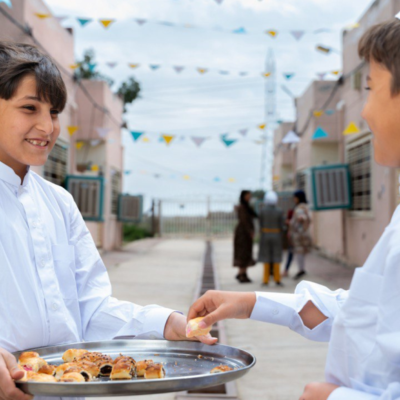
  • Community: families gather, neighbors exchange food and many communities hold gatherings after sunset.

Fasting hours depend on where you live. In the USA, fasts are expected to last around 12-13 hours depending on where you are located.

Who is exempt from fasting?

Islam makes allowances for people for whom fasting would be a hardship. This includes children before the age of maturity, people who are ill, travelers, older people who are unable to fast, and pregnant or nursing women where fasting would be harmful. Many people make up missed fasts later, and some pay fidya if they are unable to.

What are the key nights of Ramadan?

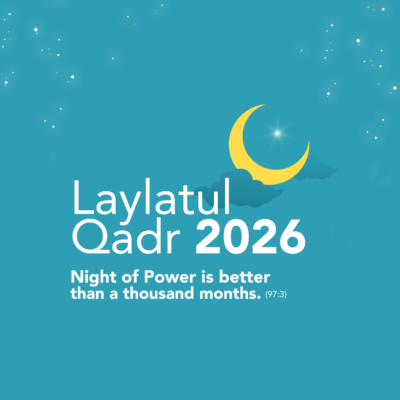
Laylatul Qadr, the Night of Power, is the most blessed night of the year. It is believed to fall within the last ten nights, and many Shia communities especially observe the 19th, 21st and 23rd nights. These nights are spent in prayer, dua and remembrance.

The 21st of Ramadan is also the martyrdom anniversary of Imam Ali (AS).

What should you prepare before Ramadan?

  • Ease into it: try fasting on a few days in Sha’ban to help your body adjust.
  • Plan your meals: simple, balanced suhoor and iftar meals with enough water between sunset and dawn.
  • Set goals: a Quran reading plan, a prayer routine or a simple good-deeds list for the whole family.
  • Check your obligations: find out when Zakat Al-Fitra is due, which is before the Eid prayer.
  • Annual Khums: if your Khums is due in Ramadan, prepare to calculate it and make your payment.

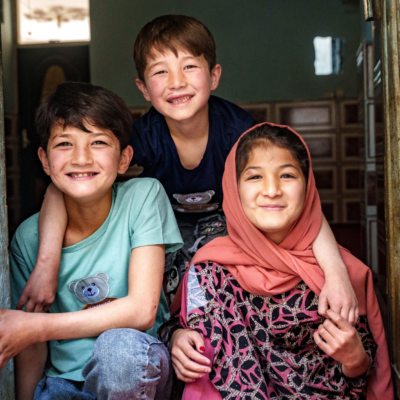
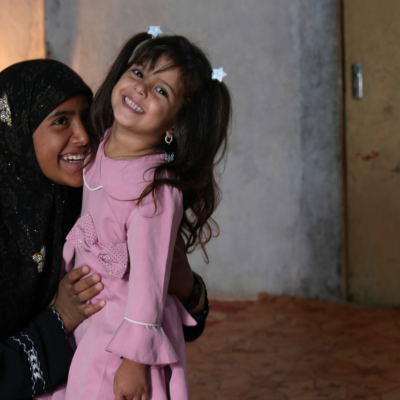
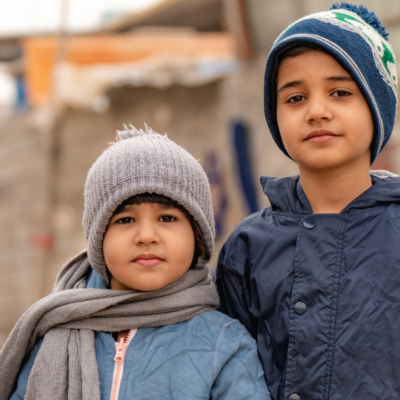
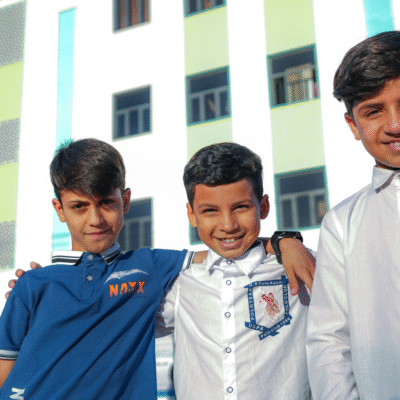
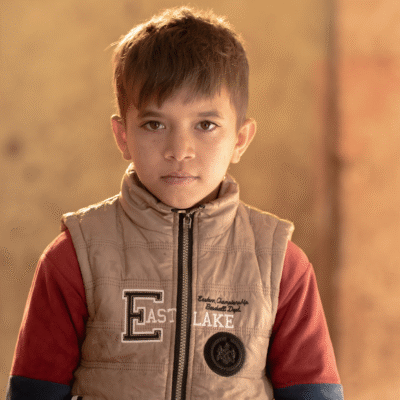
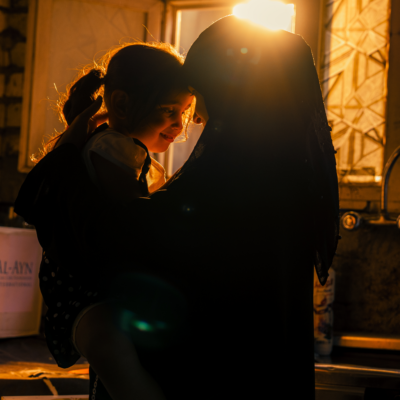
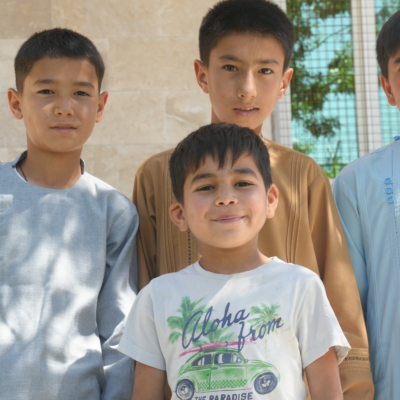
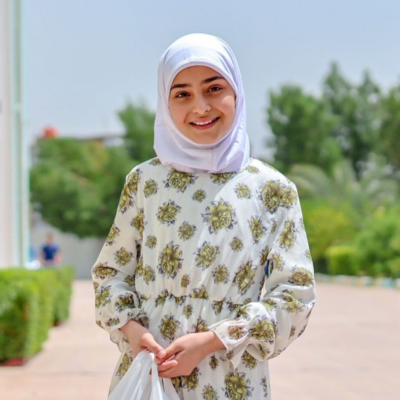
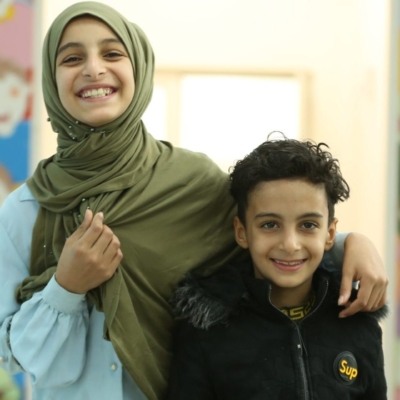
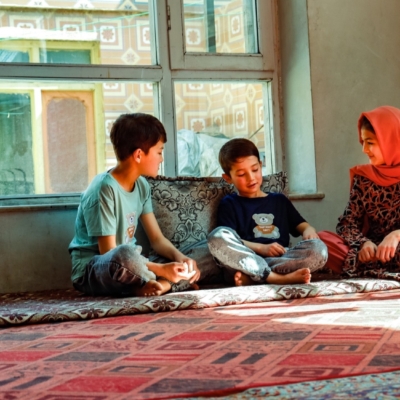
Al-Ayn Social Care Foundation supports orphaned children in Iraq, Afghanistan and Ghana. Our work is guided by Al-Sayyid Al-Sistani, and Al-Ayn is authorized by his office to receive religious dues including Sadaqa, Khums, Fidya and more.

How do the orphaned children we care for spend Ramadan?

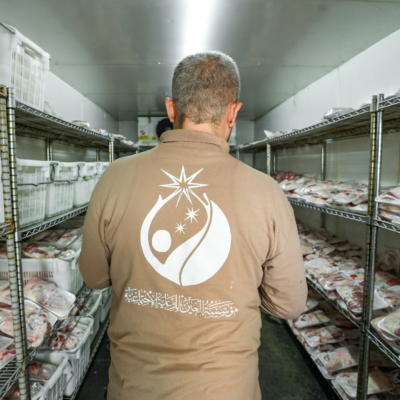
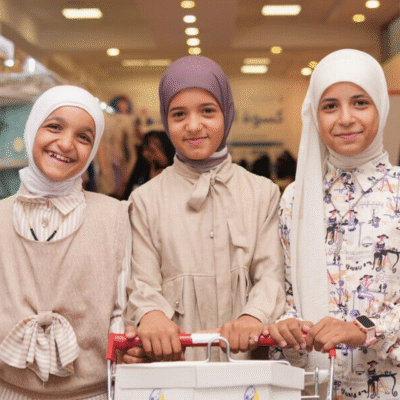
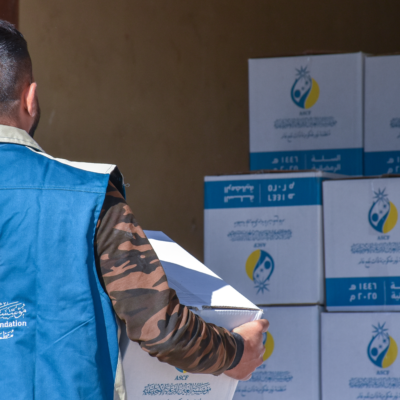
During Ramadan, we make sure food baskets are delivered to orphaned children and their families, across our areas of operation, so they can observe the month with ease and comfort. Last year, thousands of baskets were delivered across Iraq, Afghanistan and Ghana.

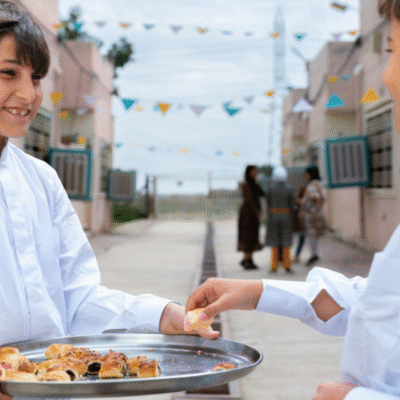
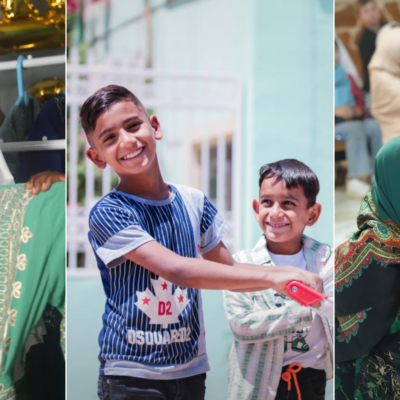
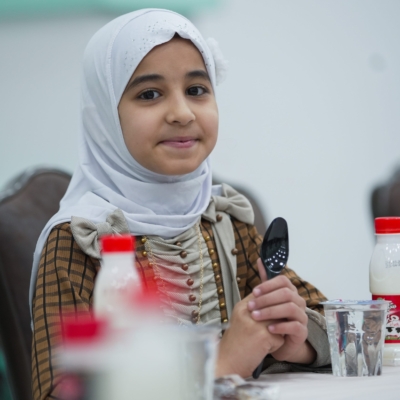
In Iraq, our teams also hold special iftar gatherings within our Luminous Stars centers, where orphaned children and their families come together to break their fast as a community.
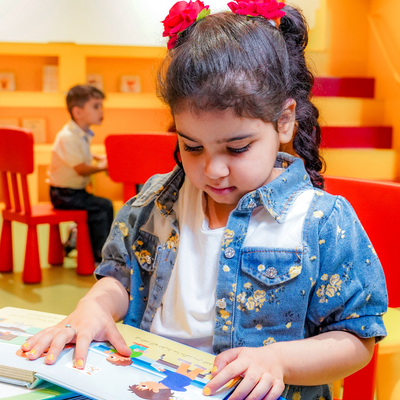
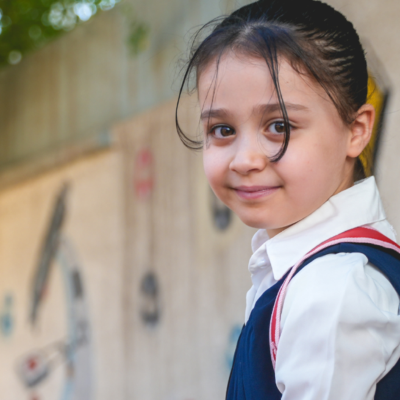
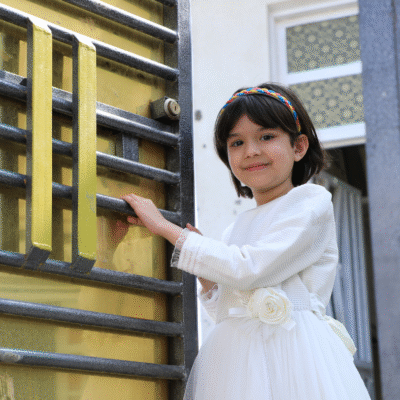
For an orphaned child, Ramadan and Eid are among the days when belonging matters most. Our aim is that every child feels remembered and included, and part of the community. Our Eid Gifts campaign in Ramadan allows our supporters to provide gifts for orphaned children to ensure they are able to partake in joyful days too.

Frequently asked questions

When does Ramadan 2027 start?

Ramadan is expected to begin on Monday 8 February 2027, subject to moon sighting.

Why do dates differ between countries?

Months begin with the sighting of the new moon. Some communities follow calculated calendars and others follow local or regional sightings, which can create a difference of a day.

When is Eid Al-Fitr 2027?

Eid Al-Fitr is expected on Wednesday 10 March 2027, the first day of Shawwal, subject to moon sighting.

Which are the Laylat Al-Qadr nights in 2027?

Many observe the 19th, 21st and 23rd nights, beginning on the evenings of 25 February, 27 February and 1 March. Each night begins at sunset.

What is a Luminous Stars iftar?

In Iraq, our teams hold special iftar gatherings within our Luminous Stars centers, where orphaned children and their families come together to break their fast as a community.



Related